


Decorating a dining room with intention means creating a space that supports both nourishment and togetherness. It should be practical, yes, but also warm, inviting, and capable of shifting effortlessly between daily use and special occasions.
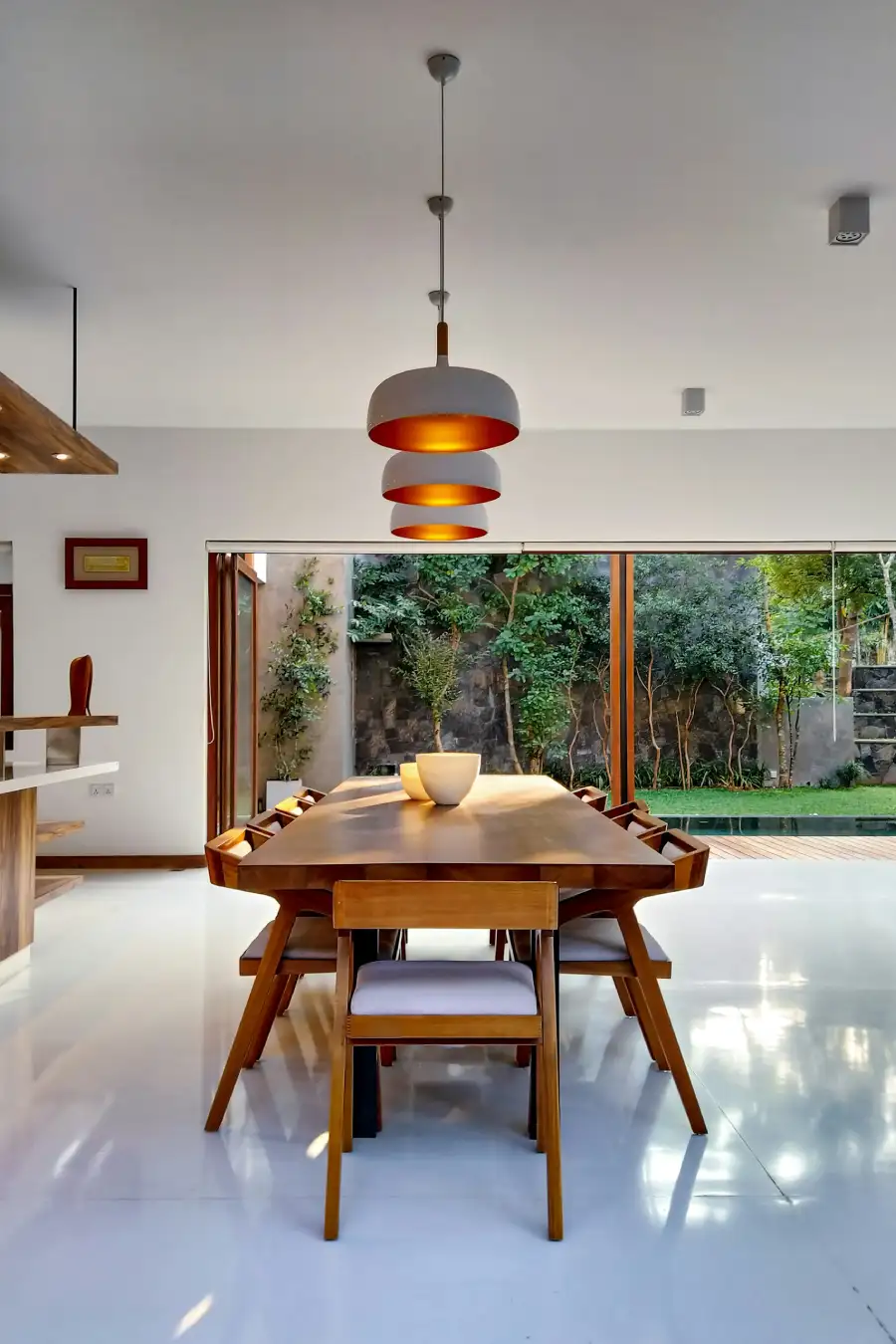
The Table as Centerpiece
The dining table is the anchor. It carries not only meals but the weight of conversation and ritual.
- Rectangular tables suit larger gatherings, encouraging flow and space.
- Round tables invite intimacy, allowing all voices to be heard.
- Material matters: wood feels warm and grounding, glass feels open and light, stone carries quiet strength.
Choose a table that reflects how you live. Whether for family meals or shared feasts, it should invite people to linger, not rush.
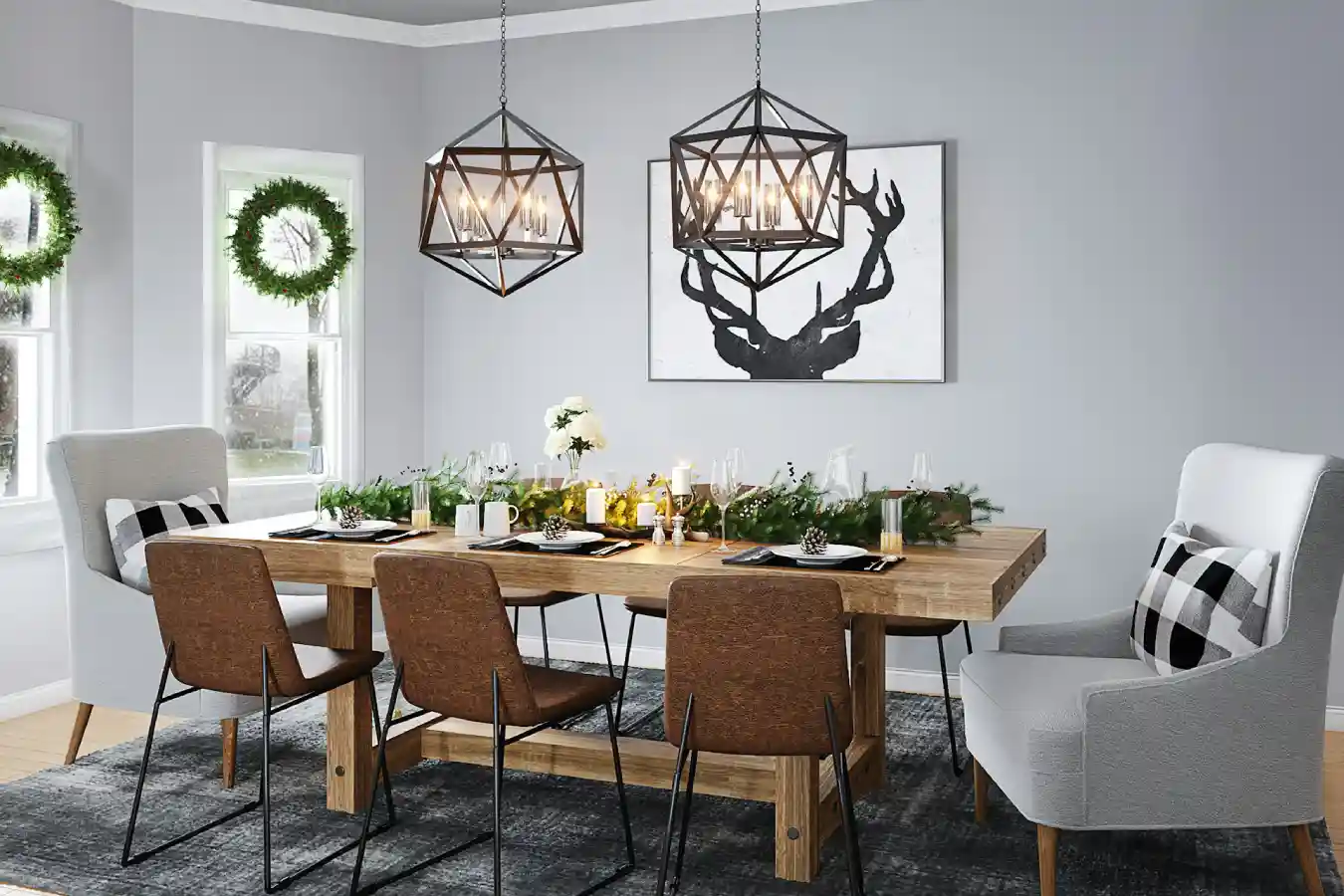
Seating That Welcomes
Chairs are not just functional—they shape how long people stay at the table.
- Upholstered chairs encourage comfort for longer meals.
- Mix-and-match seating creates personality while keeping formality soft.
- A bench can add casual ease, especially for families.
Seating should balance comfort with style, signaling that the dining room is a place of gathering, not only of eating.

Lighting for Atmosphere
Light transforms the dining room from a simple eating space into a place of experience.
- A pendant or chandelier above the table creates focus.
- Dimmer switches allow shifts from bright breakfasts to soft evening meals.
- Candles, whether tall tapers or small votives, add intimacy.
Lighting should flatter food, soften faces, and create atmosphere. It is one of the most important decorative choices you can make.

Textures That Warm
Just as food is layered with flavor, dining rooms are layered with texture.
- Linen or cotton tablecloths soften hard surfaces.
- Cloth napkins add both function and refinement.
- Wooden serving boards, ceramic dishes, and glassware bring contrast.
Texture turns a simple meal into ritual, elevating the everyday without requiring extravagance.

Color That Connects
Color in the dining room should encourage warmth and conversation.
- Earth tones—terracotta, beige, olive—feel grounding.
- Deep hues—navy, charcoal, burgundy—create intimacy.
- Accents through tableware or art can shift the mood seasonally.
Color here is less about trend and more about emotion: how do you want people to feel when they gather?

The Role of Art and Objects
The dining room benefits from pieces that hold presence without overwhelming.
- A large artwork on one wall anchors the room.
- A mirror can expand light and make gatherings feel larger.
- A sideboard or console provides both storage and display for ceramics, candles, or flowers.
These objects add depth, reminding guests that the room holds meaning beyond mealtime.
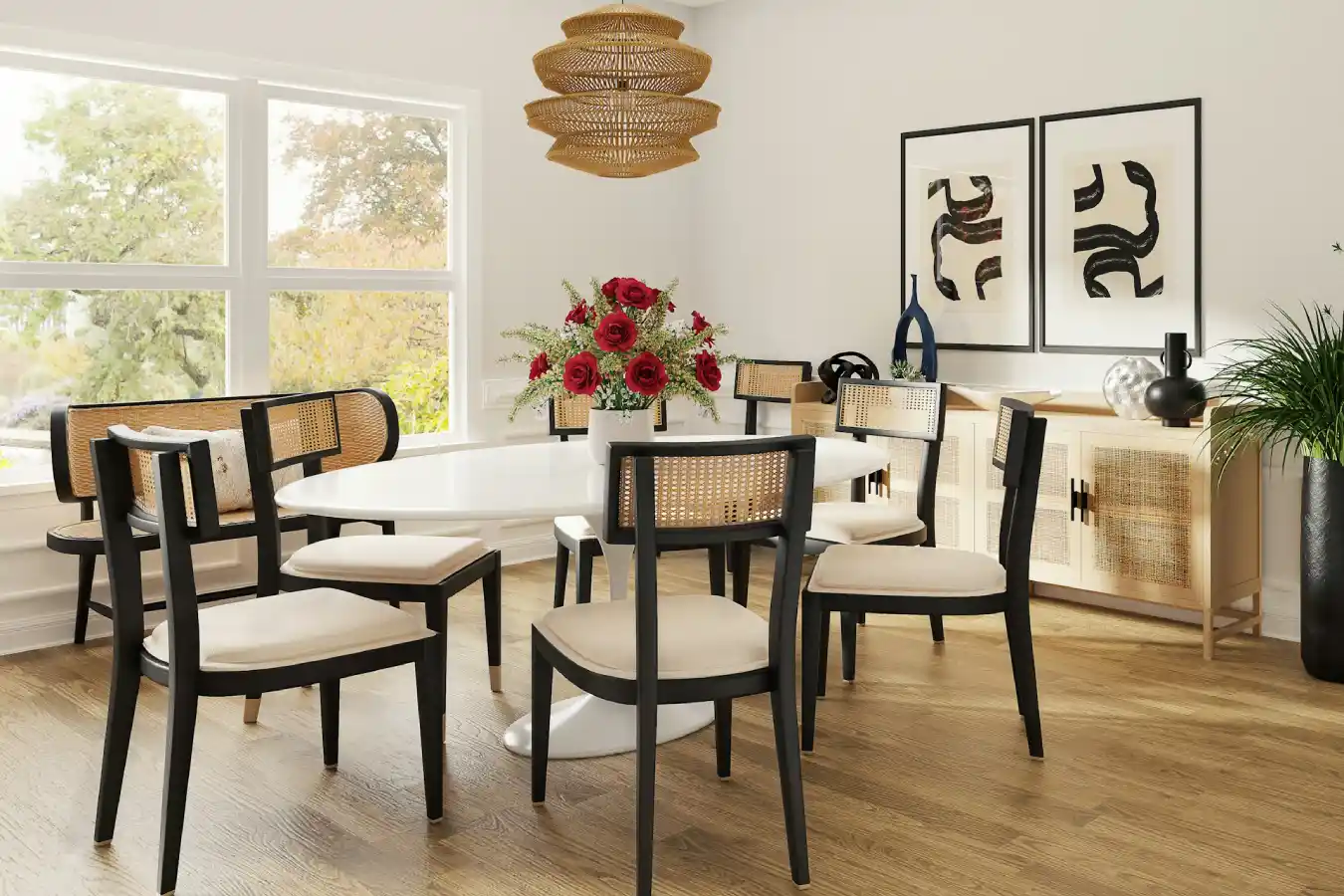
Nature on the Table
No dining room is complete without the presence of nature.
- A vase of seasonal flowers at the center of the table.
- Branches or greenery placed along a runner.
- Bowls of fresh fruit that add both color and nourishment.
These gestures bring life to the room, grounding the act of eating in the rhythms of season and cycle.
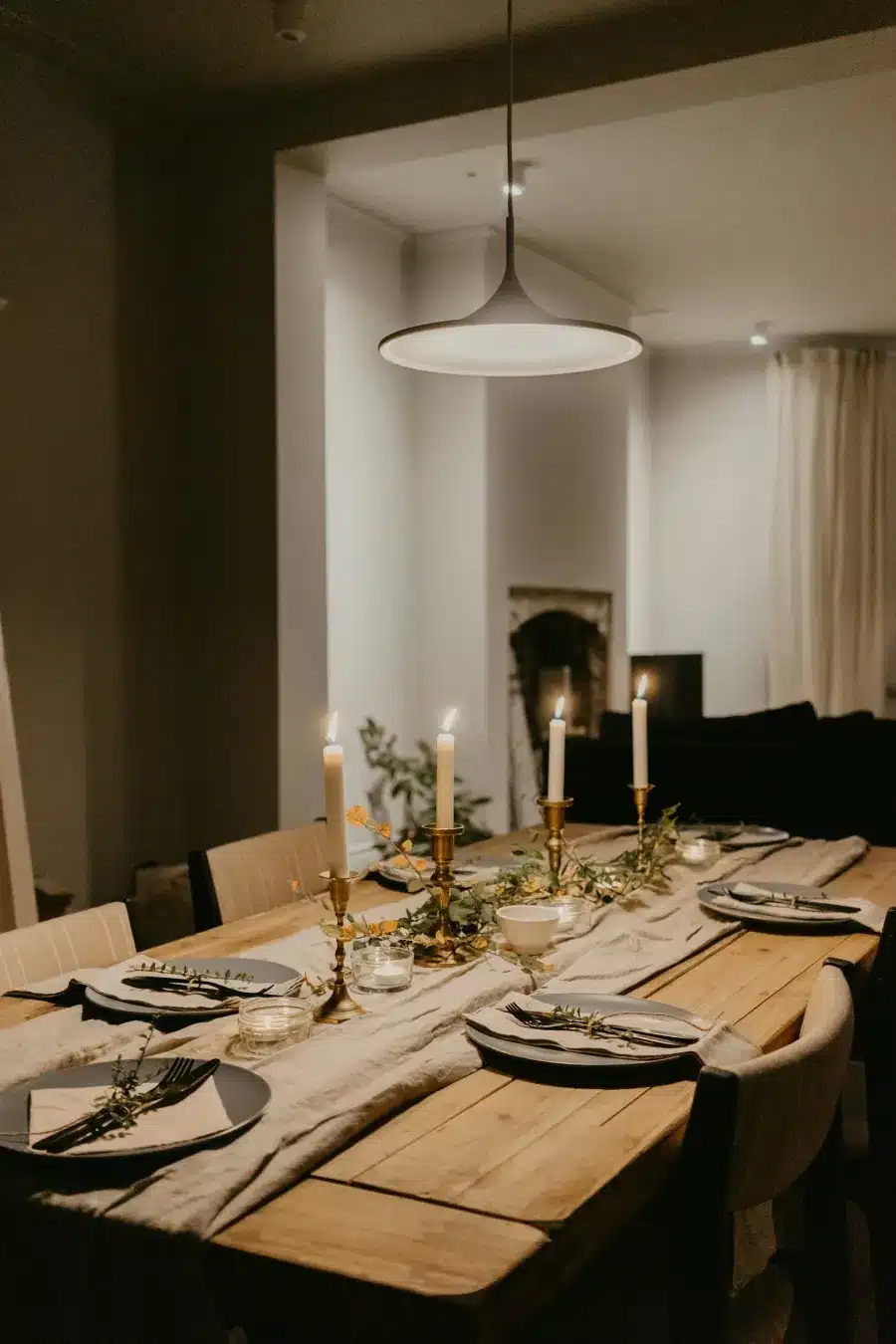
Everyday Rituals
Decoration is not only for gatherings. Daily rituals in the dining room create continuity.
- Lighting a candle for dinner, even on weekdays.
- Using cloth napkins to slow the pace of meals.
- Keeping the table clear between meals so it feels ready for gathering at any moment.
These small acts elevate eating into living.


