


The Anchor: The Bed Itself
The bed is the centerpiece, and it should carry both comfort and presence.
- Choose a supportive mattress that fits your body’s needs.
- Layer with breathable sheets—cotton, linen, or bamboo.
- Add a duvet or quilt that brings both warmth and softness.
- Pillows should balance support and indulgence; a mix of firm and plush works best.
A well-made bed is more than decoration—it signals the mind that rest is honored here.
Color as Calm
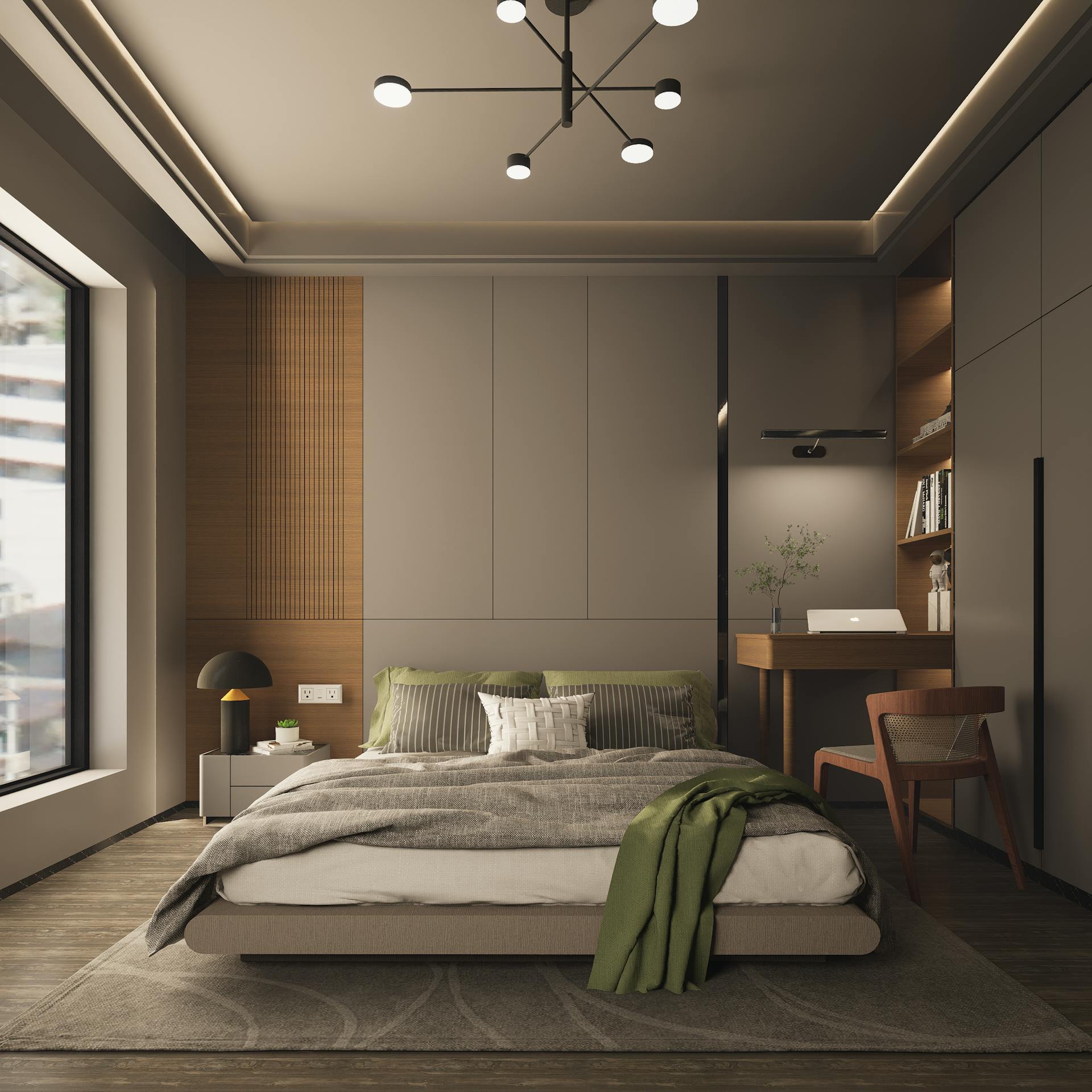
Colors in the bedroom should soothe, not stimulate. While preferences differ, the most restorative palettes are rooted in nature.
- Soft neutrals—ivory, beige, pale gray—create serenity.
- Muted greens and blues evoke calmness and balance.
- Earth tones—warm taupe, clay, soft brown—bring grounding.
Small accents of deeper tones can add richness, but the overall palette should lean toward rest.
Textures That Embrace
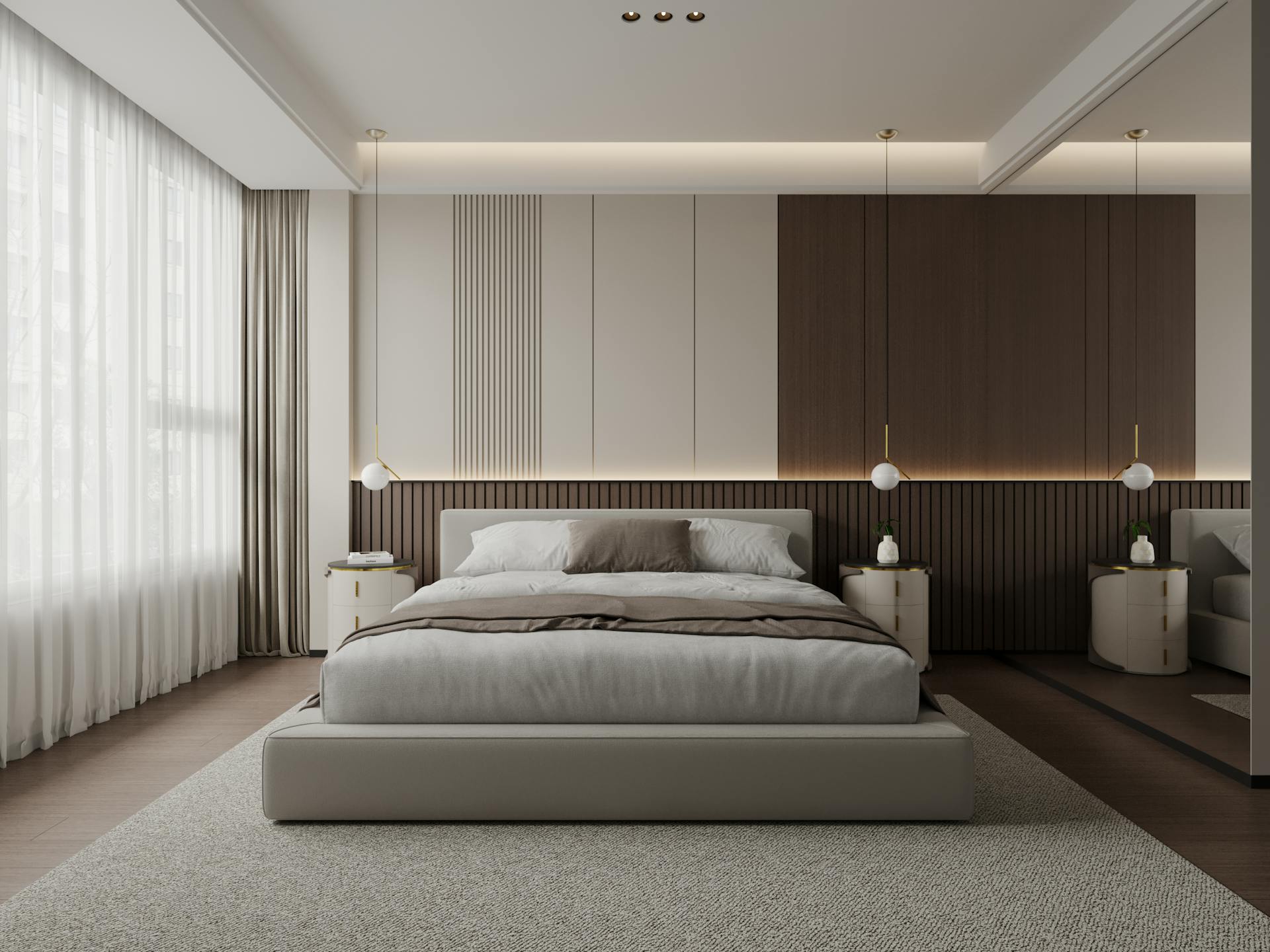
The bedroom is where texture matters most. It is where we want to be held by softness.
- A rug underfoot for warmth in the morning.
- Throws or blankets layered casually for comfort.
- Linen curtains that filter light gently.
- Upholstered headboards or wooden frames that add tactile presence.
Textures carry quiet invitation: come, rest, be still.

Lighting for Rhythm
Light in the bedroom should align with circadian rhythm—bright in the morning, soft in the evening.
- Use blackout curtains or shades for deeper rest at night.
- Layer bedside lamps with warm bulbs to replace harsh overhead light.
- Consider dimmers to adjust brightness as evening unfolds.
- Add candlelight occasionally to create ritual and calm.
Light here is less about function and more about atmosphere.
Declutter for Clarity
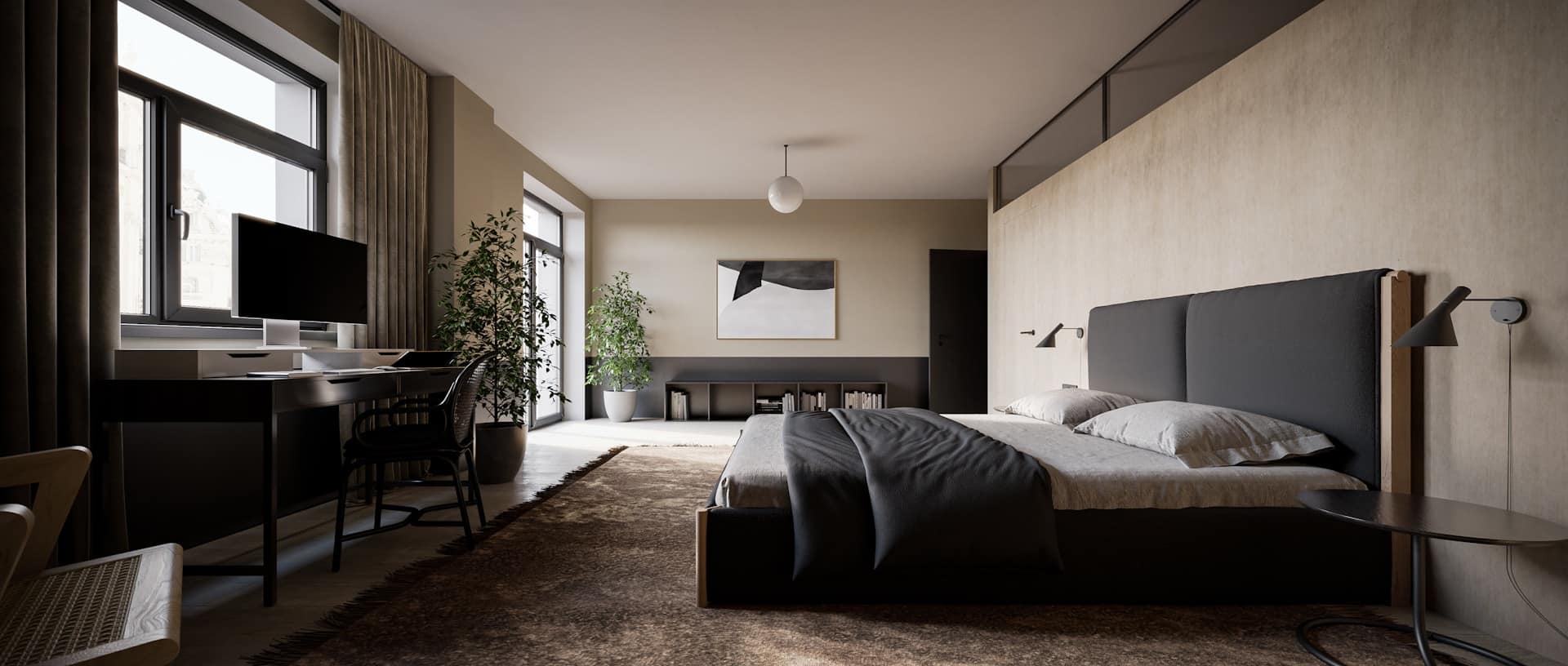
Clutter in the bedroom disrupts calm. Clear surfaces support rest.
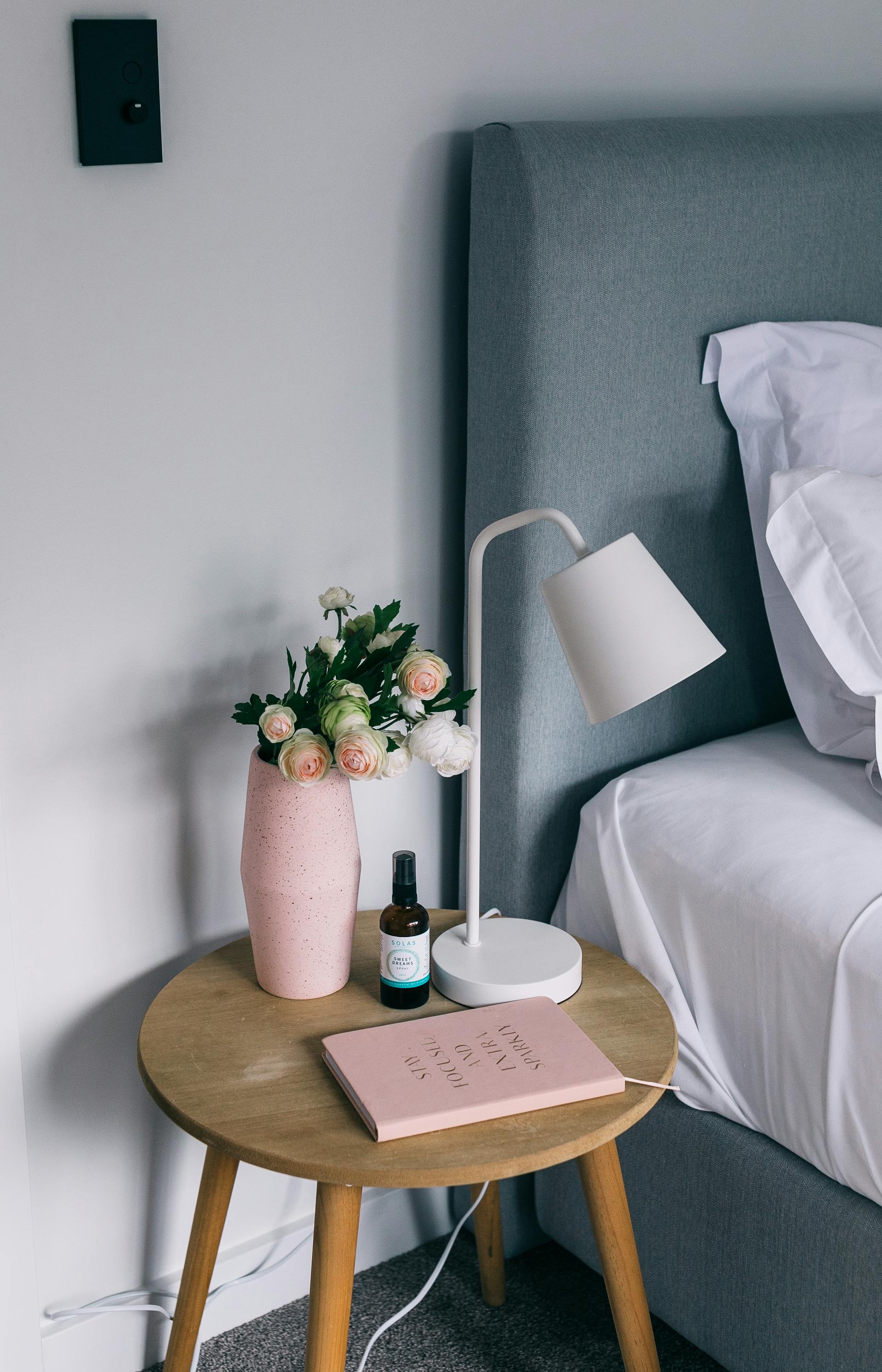
- Keep nightstands simple—perhaps a lamp, a book, and a single object of meaning.
- Store clothing out of sight, using baskets or drawers for smaller items.
- Avoid unnecessary electronics; they intrude on stillness.
Simplicity gives the mind permission to let go.

Art and Objects That Matter
Unlike other rooms, the bedroom benefits from restraint in decoration. A few meaningful pieces carry more impact than many.
- A single artwork above the bed that inspires calm.
- A vase with branches or a small plant for natural grounding.
- Personal objects—a framed photograph, a journal, a candle—kept close but curated.
The bedroom should reflect intimacy, not display.

Scent and Sound
Senses shape rest as much as sight.
- Lavender, chamomile, or sandalwood scents encourage relaxation.
- Soft textiles absorb sound, creating quiet.
- A small speaker can provide gentle music or nature sounds before sleep.
These elements add invisible layers to the room’s atmosphere.
The Ritual of Evening
Beyond decoration, the bedroom is defined by ritual. Design choices support habits that restore.
- Place a book on the nightstand to replace evening screens.
- Keep a glass carafe of water nearby as a gesture of care.
- Add a tray or dish for jewelry and daily objects, keeping them contained.
These small details help the mind transition from activity to rest.


