


Why Evening Rituals Matter
The body follows circadian rhythms, biological patterns tied to the cycles of light and dark. Evening rituals signal the nervous system that it’s time to release, lowering cortisol and preparing for sleep. Without these cues, the mind often struggles to let go—carrying tension into the night.
This is why design matters. A home that supports slow evenings doesn’t just look serene—it actively nurtures rest.

Light That Winds You Down
Just as bright light energizes us in the morning, dim, warm light prepares us for night. One of the simplest ways to improve evenings is to design lighting that mirrors dusk.
- Warm Bulbs: Switch to amber or soft white light in lamps and fixtures.
- Layered Lighting: Use floor lamps, sconces, or table lamps instead of harsh overheads.
- Candlelight: A single candle at dinner or on a nightstand transforms atmosphere instantly.
When light fades slowly, the body follows, easing you toward stillness.
The Role of Texture in Comfort
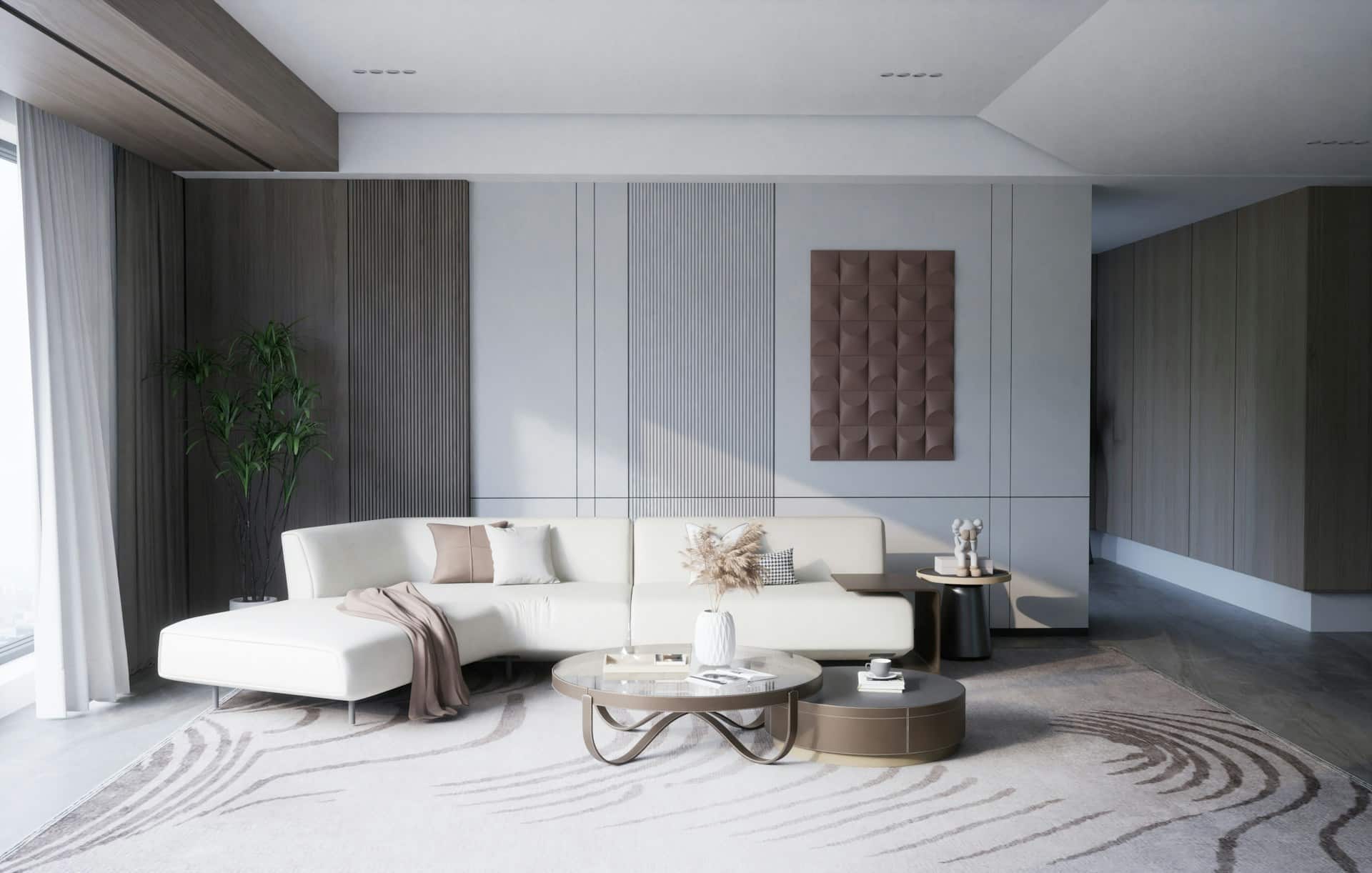
Evenings are tactile. They invite softness—blankets pulled close, pillows that cradle, slippers that ground tired feet.
- Throws and Blankets: Choose natural fibers like cotton, wool, or cashmere.
- Rugs: A rug beneath the sofa or bed softens the step into evening.
- Loungewear: Comfortable clothing made of breathable fabrics signals to your body that the day’s demands are behind you.
These textures don’t just decorate—they welcome you into comfort.

The Evening Table
Dinner often becomes the centerpiece of evening. Designing the table, no matter how simple, can turn meals into grounding rituals.
- A wooden or linen placemat.
- A single vase with a stem of greenery.
- Ceramics that feel good to hold.
This isn’t about elaborate hosting. It’s about creating a surface where you pause, taste, and reconnect with the act of eating.

Evening as Reflection
Where mornings are about energy, evenings are about closure. Reflection helps the mind sort the day’s noise before rest.
- Journaling: Writing down thoughts, gratitude, or tomorrow’s intentions clears mental space.
- Reading: A physical book provides focus without the glow of screens.
- Sketching or Writing Notes: Creative outlets channel restlessness into expression.
Designating a small space—a chair with a lamp, a desk corner—turns reflection into ritual.
Technology Boundaries
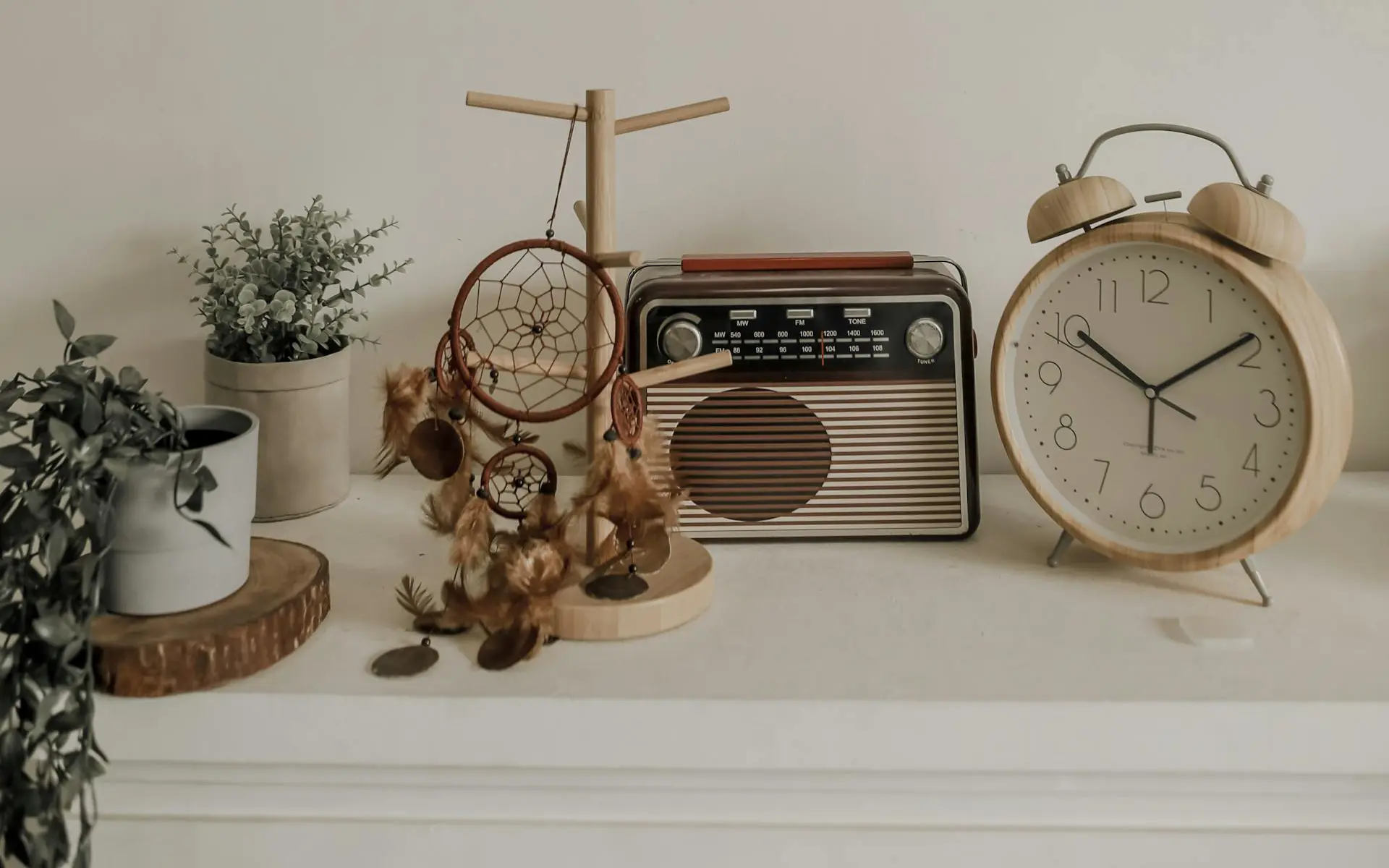
One of the most powerful evening design choices is not an object, but an absence: the boundary with technology.
Phones and laptops flood the eyes with blue light, delaying melatonin release and keeping the mind alert. Create a rule: screens belong outside the bedroom. Instead, design that space for rest only.
- A clock for timekeeping instead of a phone.
- A small tray by the door where devices rest at night.
- A book or journal on the nightstand to replace endless scrolling.
This boundary becomes a quiet gift to yourself.
The Bedroom as Sanctuary
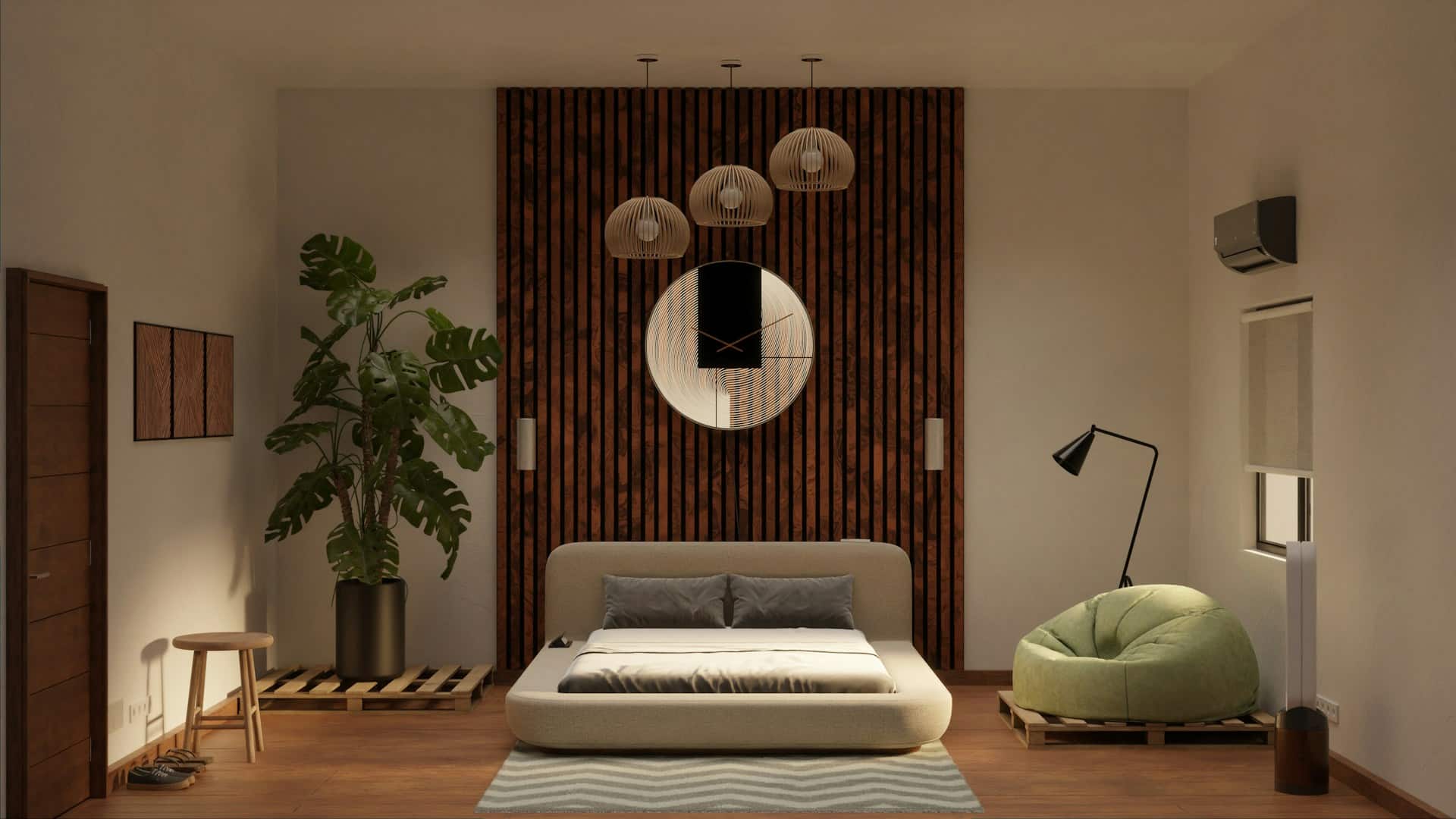
The bedroom is the final chapter of the evening. More than any other room, it should embody calm.
- Neutral Palette: Soft whites, earthy tones, or muted blues encourage rest.
- Minimal Clutter: Keep surfaces clear, storing objects out of sight.
- Bedding as Investment: Breathable sheets, supportive pillows, and a weighted blanket if needed all improve quality of sleep.
Think of the bedroom as a retreat—not just a place to collapse, but a place to restore.

The Power of Scent
Scent is memory, and it shapes mood more than we realize. In evenings, gentle fragrances act as invisible guides into rest.
- Lavender or chamomile for relaxation.
- Sandalwood or cedar for grounding.
- Vanilla for warmth.
Candles, diffusers, or essential oil sprays all work, but choose one consistent scent. Over time, your body will associate it with winding down.

Movement Toward Stillness
Evenings need not be motionless. Gentle movement can help transition from the day’s tension to restful sleep.
- A slow yoga flow.
- Stretching with the lights dimmed.
- A short walk outside, noticing the coolness of the air.
Movement here is not about fitness—it’s about release.


